
By Emily Moore*
It takes a village. Despite its almost droning ubiquity, there is a truth to that phrase that delves into the very heart of sustainability as a global societal framework. In order for our planet to maintain healthy systems in the spheres of nature, economy, society, and well–being, we humans must work together at multiple levels. One sustainable practice that facilitates a culture of interpersonal support at the community level is blood donation.
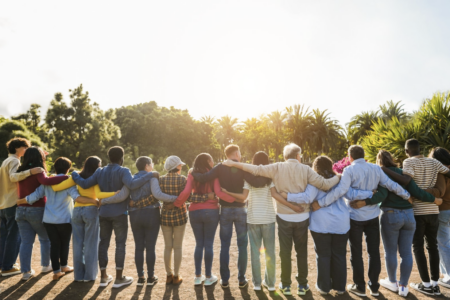
Community sits at the intersection of all four directions on the Sustainability Compass
Blood donation is a fantastic way to support your local community and a simple, sustainable practice that almost anyone can join in on. According to the American Red Cross, every 2 seconds, someone in the US needs blood. Blood provides benefits to a diverse array of patients, from providing crucial platelets to those in cancer treatment, to delivering oxygen to trauma and surgery patients, to yearly transfusions required by those with sickle cell disease, and so many more.
There are multiple types of blood donation, each yielding unique benefits for recipients:
| Donation Type | What is it? | Who it helps |
|---|---|---|
| Whole Blood | Contains all blood contents (red blood cells, white blood cells, platelets, and plasma) | Those dealing with cancer, blood disorders, and traumatic injuries |
| Power Red | Contains only red blood cells | This donation type allows for more red blood cells to be collected from a single donor |
| Platelet | Contains platelets | Those dealing with cancer, chronic diseases, and traumatic injuries |
| Plasma | Contains blood plasma | Those dealing with severe burns, cancer, and other life- threatening conditions |
To understand your eligibility for each donation type, please visit the American Red Cross’s website.
To learn about upcoming blood drives in your area, check out this tool from the American Red Cross or this one from our region’s blood bank, Lifesouth!
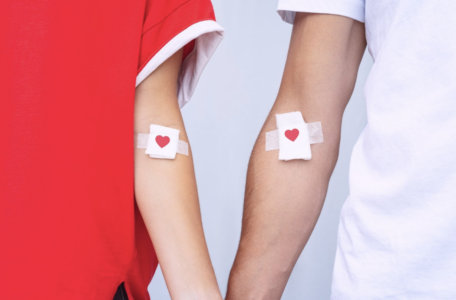
One blood donation can help save multiple lives.
Only 3% of eligible Americans donate each year. Think about how much good we could do if we raised that number even by the smallest amount. As you transition into your summer plans, whether you are staying in Auburn or traveling, I urge you to consider your community. What can you do to foster a culture of caring for your fellow humans? What small steps can you take to make your surroundings more supportive, healthy, safe, and sustainable? With all the good that it can do, looking into blood donation might be a worthwhile first step.
Emily Moore is the Outreach Coordinator of the Office of Sustainability.