Battery Recycling Program

| Engage

Batteries don’t need to end up in the regular trash, since recycling them is easy. The Battery Recycling Program provides drop-off bins across campus so faculty, staff, and resident students can safely recycle batteries used in university operations.

Find a bin near you in the Bin Locations list below, or request a new bin for your office, lab, or space if one isn’t nearby yet.

Have questions about what’s accepted or how the program works? Check the FAQs below or contact us.

How It Works

There are two ways to participate:

  • Use an existing bin. Battery bins are already placed across many campus buildings — check the Bin Locations list below to find one near you and drop off eligible batteries.
  • Request a new bin. If there isn’t one in your building yet, request a bin for your office, lab, or space using the Bin Request Form.

However, you participate:

  • Bins are collected monthly, with a single collection over the summer (no collection in December due to winter break). If a bin fills up or needs attention sooner, submit the Bin Pick-Up Form to request service any time.
  • Batteries are recycled. Collected batteries are weighed, consolidated, and delivered to Risk Management & Safety, where they’re sorted by type, packaged, and shipped to recycling vendors.

We encourage all Auburn University faculty, staff, and resident students to participate in the program.  Below you’ll find details on accepted materials, bin locations, and who to contact with questions, concerns, or emergencies.  Your active and informed participation in the program makes a noticeable difference!

Logo for the Auburn University Battery Recycling Program

New to the program? Request a bin for your space.

Bin Request Form

Bin full or needs service?

Bin Pick-Up Form

Accepted Materials

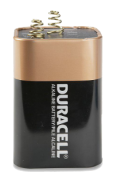
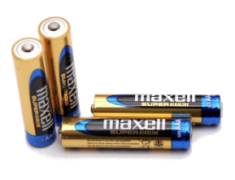
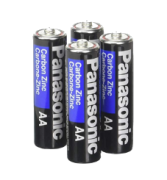
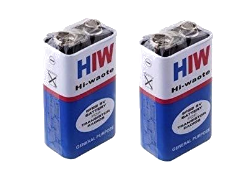
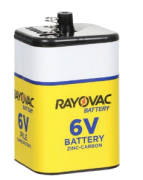
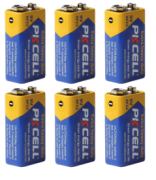
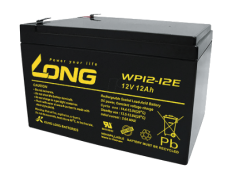
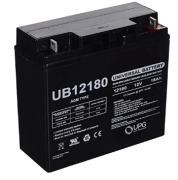
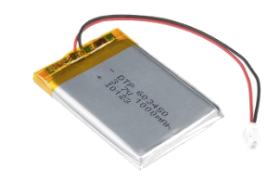
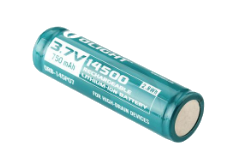
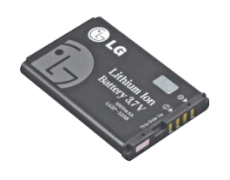
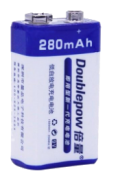
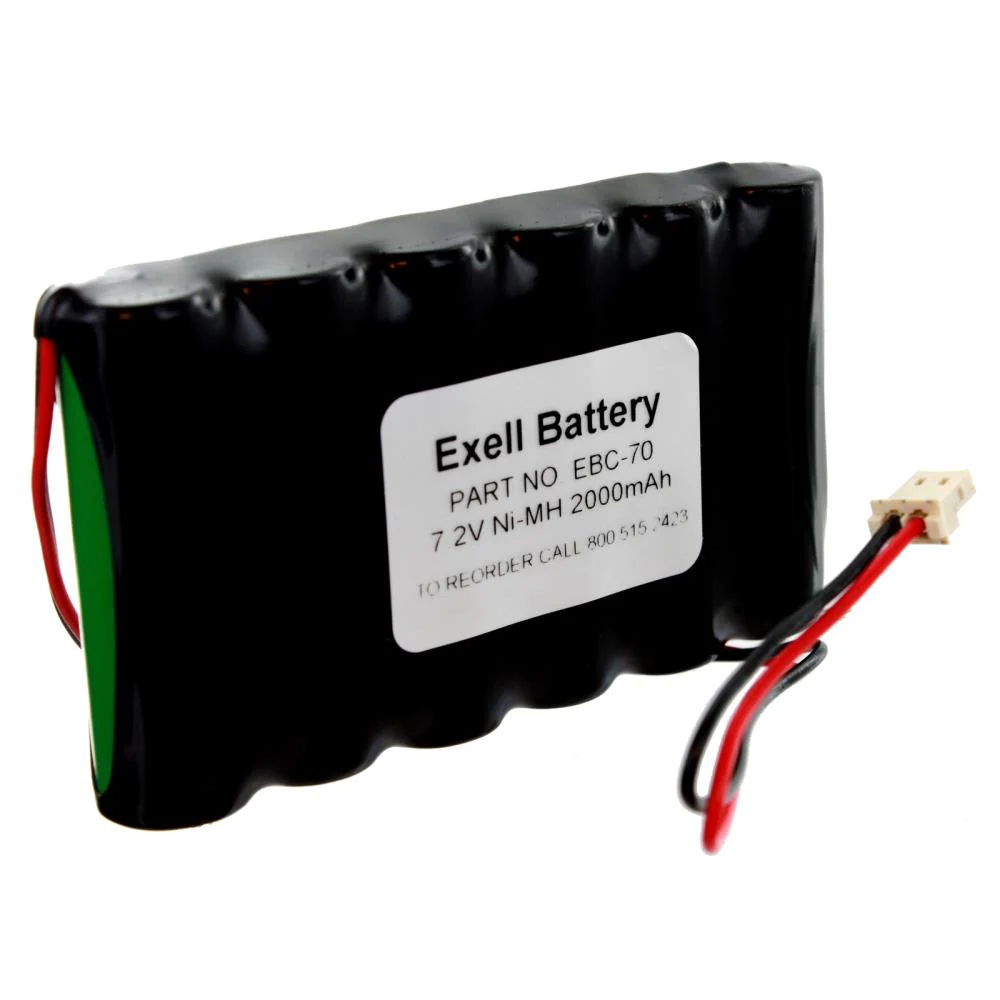
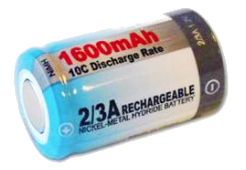
The following types of batteries may be placed in the designated battery recycling bins.  The images below have been provided solely for reference, so keep in mind the battery you have may vary in appearance.  For battery types not listed below, please contact Risk Management & Safety at 334-740-1267.

Regardless of battery type, batteries should NOT come in contact with any liquids.  Should a fire occur call 911 and ONLY use a fire extinguisher to handle the emergency.

PLEASE NOTE: Due to costs associated with recycling, only batteries used in the course of university operations and those produced by resident students should be placed into the bins.  If you would like to recycle personal batteries and live in the City of Auburn, you may do so at the RecycleAuburn center.

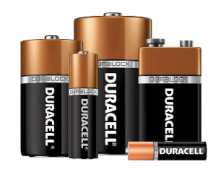
Alkaline

Picture of Alkaline Batteries

Carbon Zinc

Picture of Carbon Zinc Batteries

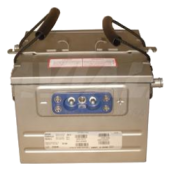
Lead/Lead Acid

Picture of a Lead Acid Battery

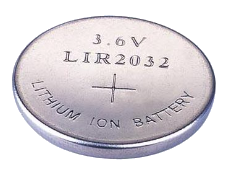
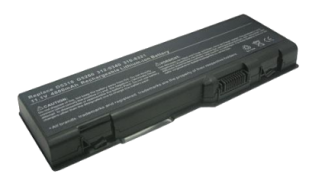
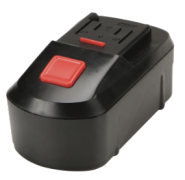
Lithium Ion

Picture of a Lithium Ion Battery

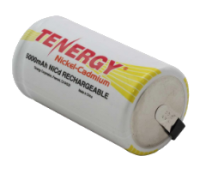
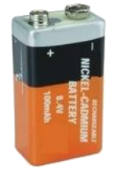
Nickel Cadmium

Picture of a Nickel Cadmium Battery

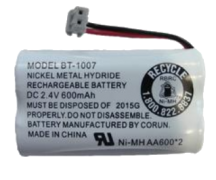
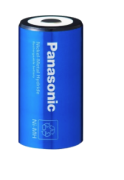
Nickel Metal Hydride

Picture of a Nickel Metal Hydride Battery

Bin Locations

BuildingRoom/Area
3D Arts Building120J
ALFA Agricultural BuildingRoom 124
ALFA Agricultural BuildingRoom 152
ALFA Agricultural BuildingRoom 164
AU Administrative ComplexLobby
AU Hotel & Dixon Conference CenterOperations Office
Bailey Small Animal Teaching HospitalV0007 - Hallway by Stairs
Bailey Small Animal Teaching HospitalRoom 1401J
Bailey Small Animal Teaching HospitalRoom 1331 - Breakroom
Bailey Small Animal Teaching HospitalRoom 1510 - ICU Unit
Bailey Small Animal Teaching HospitalRoom 2141 - Copy Room
Beard-Eaves ColiseumRoom 1120 - Score Office
Beard-Eaves ColiseumRoom 1020
Beard-Eaves ColiseumRoom 2050
Biggin HallRoom 108
Biggin-Woltosz HouseRoom 112A
Broun HallNear Loading Dock
Brown-KopelRoom 1167
CASIC BuildingRoom 126
CASIC BuildingRoom 285
Cater HallRoom 111
Chemistry BuildingRoom 179
College of Education Building1221 Z - Copy Room
College of Forestry, Wildlife and Environment BuildingRecycle Area near Room 2349
College of Veterinary MedicineOIT Office
Corley BuildingRoom 217
Crop Improvement Association BuildingNeed to Ask
Davis HallRoom 212
Dudley HallRoom 221
Duncan HallRoom 234
Equine Research Lab BuildingMain Room - 121
EW Shell Fisheries CenterBreak Room
Extension HallEntryway hall
Facilities Management Building 1Room 1170
Facilities Management Building 5Room 110
Facilities Management Building 6Room 101 - Stockroom
Facilities Management Building 7Room 125
Foy Hall2nd Floor Welcome Desk
Funchess HallRoom 101
Funchess HallRoom 201
Funchess Hall330 Warner Lab
Gorrie CenterRoom 118K
Greene HallRoom 121 - Middle Hallway Next to Recycling
Greene HallRoom 180 - By Copying Machine
Greene HallRoom 230 - Near Recycle Bin in Hallway
Greene HallRoom 402
Greene Hall AnnexRoom 102
Greene Hall AnnexCorridor Level 1 - Near Men's Bathroom
Haley CenterMailroom (Basement)
Haley CenterRoom 3084
Haley CenterRoom 7080 (Poli Sci Dept)
Haley CenterRoom 6075
Haley CenterSpeech and Hearing Clinic
Halliday-Cary-Pick HouseRoom 101
Harbert CenterRoom 238
Hargis HallRoom 201D
Hoerlein HallRoom 304A - In Stairway
Hoerlein HallRoom 579 - Outside
Horton HardgraveRoom 1017
Horton HardgraveRoom 3047
Ireland Center LaboratoryRoom 101
Jay & Susie Gogue Performing Arts CenterRoom 1260
Jule Collins Smith Museum of Fine ArtRoom 015A
Langdon AnnexDownstairs Hall
Langdon HallRegistrar's Office Breakroom
Leach Science CenterRoom 0173A
Leach Science CenterRoom 226 - Outside
Lowder HallRoom 016
Lowder HallRoom 017
Lowder HallRoom 331
National Poultry Technology CenterNeed to Ask
Mary MartinRoom 203
Medical ClinicNeed to Ask
Mell Classroom BuildingInformation Desk
Melton Student CenterStudent Media Room 1105M
Melton Student CenterStaging Area Beside Loading Dock
Miller Center: Admin & Education BuildingRoom 125
Miller Center: National Poultry Technology CenterNeed to Ask
Nichols CenterNavy Offices
OD Smith HallRoom 301
OIT BuildingRoom 126
OIT BuildingRoom 146
OIT BuildingRoom 251
OIT BuildingRoom 351
Paterson Storage & Refrigeration BuildingRoom 101B
Pebble Hill AnnexRoom 105
Pharmaceutical Research BuildingRoom 105
Plant Science Research CenterRoom 102
Poultry ScienceRoom 101 A
Poultry ScienceRoom 201
President's House - AU Events CenterGift Wrap Room
RamsayRoom 303
Rane Culinary Room 114
Risk Management and Safety BuildingRoom 171
RBD Library1022 Mailroom
RBD LibraryFirst Floor Circulation Desk
RBD LibraryRoom 2339
Recreation & Wellness CenterAuburn Outdoors
Recreation & Wellness CenterRoom 0315
Ross HallRoom 207
Rouse Life SciencesRoom 101
Samford HallRoom 023
Sciences Center Laboratory BuildingRoom 508
Scott-Ritchey Research CenterRoom 119
Scott-Ritchey Research CenterRoom 205
Shelby CenterRoom 1301L
Shelby CenterRoom 3301
Stadium Parking DeckAccess Control Offices
Sugg LaboratoryRoom 128
Sunny Slope Room 117
Swingle Hall First Floor SW Stairwell
Tichenor Hall Room 302
Upchurch Hall Room 219
Vaughn Large Animal HospitalRoom 1009 - Breakroom
Vaughn Large Animal HospitalRoom 1256 - Central Supply Room
Vaughn Large Animal HospitalRoom 2015 - Copy Room
Veterinary Education CenterRoom 106 - Near Recycle Bins
Veterinary Education CenterRoom 227 - In Hallway
Walker Building3306 - Drug Discovery and Development
Wallace HallRoom 208

Contacts

For questions, comments, and service needs related to battery recycling, please contact:

Office of Sustainability | sustain@auburn.edu | 334-844-7777

Risk Management & Safety | sms0081@auburn.edu | 334-740-1267

For questions, comments, and service related to all other recycling, please contact:

Waste Reduction & Recycling Department | aureuse@auburn.edu | 334-844-9461

For personal battery recycling within the City of Auburn, please contact:

City of Auburn Environmental Services | webenvirsvc@auburnalabama.org | 334-501-3080

For emergency situations, dial 911.

About the Program

The Auburn University Battery Recycling Program began as a project of the Peers Network. After conducting sustainability assessments within their units, Peers Ambassadors wanted a more sustainable way to handle the volume of batteries used in university operations — and partnered with Risk Management & Safety (RMS), which already had representation in the Peers Network, to build the solution. The expanded program officially launched in January 2019 and has been a joint effort between the Office of Sustainability and RMS ever since.

Program Impact

Since 2016, the program has collected over 105,600 pounds of batteries, with an additional 13,092 pounds and counting in 2026!


Yearly totals in pounds: 2016: 2177, 2017: 2221, 2018: 3255, 2019: 6926, 2020: 7844, 2021: 8732, 2022: 9934, 2023: 27484, 2024: 21372, 2025: 15682, 2026 year to date: 13092.

Frequently Asked Questions

Below you’ll find a list of frequently asked questions to help provide additional information about the Battery Recycling Program. If you have further questions or need assistance, please feel free to contact us.

Who can participate in this program?

The Auburn University Battery Recycling Program is available to faculty, staff, and students living in on-campus residence halls. The program is intended to support university operations and campus residential communities.

How large are the recycling bins?

The standard battery bins measure 10 in x 10 in.

A transparent bucket with a white lid.

How often are battery bins collected and processed?

Battery bins are collected monthly during the fall and spring semesters, with a single collection over the summer. If a bin fills up or needs attention before its scheduled pickup, submit the Bin Pick-Up Form to request service at any time.

What do I do if a bin is full or needs service?

If you encounter a full bin or notice that a location needs service, please submit a service request by completing the Bin Pick-Up Form

What should I do if I find a leaking or damaged battery?

Do not place leaking or damaged batteries in the recycling bin. Avoid handling the battery directly if possible. Contact Risk Management & Safety (RMS)  for proper guidance. If there is an immediate safety concern (such as smoke or fire), call 911.

Are there any batteries that are not accepted?

While we accept most battery types, some may require special handling and are not accepted in standard collection bins. These include large automotive batteries, industrial batteries, or batteries that are leaking or damaged. Please contact Risk Management and Safety for guidance on the proper disposal of specialty or large-scale battery waste.

How can I recycle personal batteries if I live off campus?

Residents living off campus are encouraged to use local community recycling resources. The City of Auburn Environmental Services Department provides battery recycling options at designated collection sites. Please visit the City of Auburn’s website for current drop-off locations and guidelines.

Is there a cost associated with battery recycling on campus?

No. There is no cost for eligible campus participants to recycle batteries through the Auburn University Battery Recycling Program.  The service is provided by Risk Management & Safety and the Office of Sustainability, with both units providing staffing and financial support.