Frequently Asked Questions
Below you’ll find a list of frequently asked questions to help provide additional information about the Battery Recycling Program. If you have further questions or need assistance, please feel free to contact us.

The expanded version of the Auburn University Battery Recycling Program began as a project of the Peers Network. After conducting sustainability assessments within their units, the Peers Ambassadors all wanted to find a more sustainable way to deal with the volume of batteries consumed during the course of university operations. It didn’t take long to develop a solution, as Risk Management & Safety (RMS) had representation within the Peers Network, the Ambassadors stepped up to lead efforts in their units, and the Office of Sustainability had staff to help with the operational piece of expanding battery collection.
The expanded Battery Recycling Program officially launched in January 2019. Every three weeks, student staff from the Office of Sustainability exchange empty bins for those with batteries. They then bring the bins back to Langdon Annex for processing — where they weigh the batteries from each building, record the weight, and then consolidate them into as few buckets as possible. The staff from the Office of Sustainability then takes the batteries to RMS’ Environmental Health & Safety Building, where the batteries collected by the Office of Sustainability are combined with those collected by RMS staff. At the RMS facility, the two units work together to sort the batteries by type and package them for shipment, and then RMS staff ships the batteries off for recycling to various vendors, depending on the battery type.
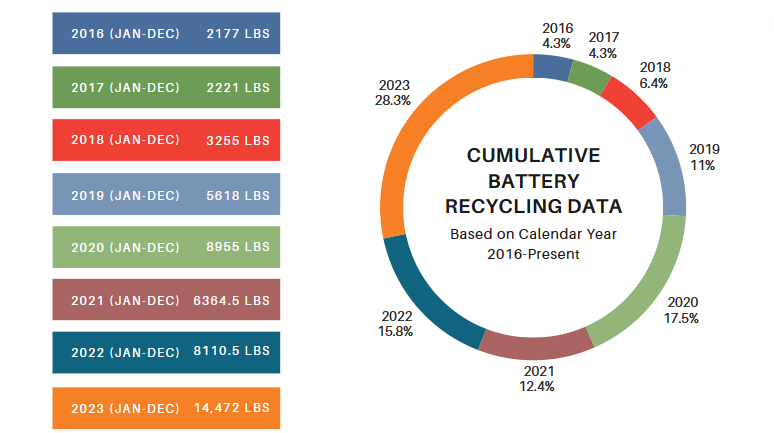
We encourage all Auburn University faculty, staff, and resident students to participate in the program. Below you’ll find details on accepted materials, bin locations, and who to contact with questions, concerns, or emergencies. Your active and informed participation in the program makes a noticeable difference, as the program was able to collect over 50,745 pounds of batteries since 2016!
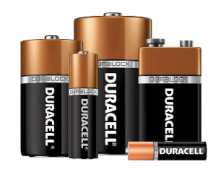
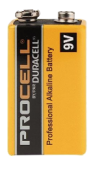
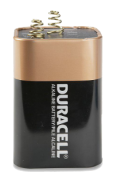
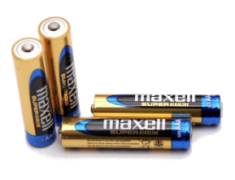
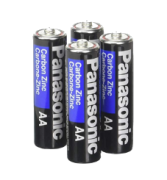
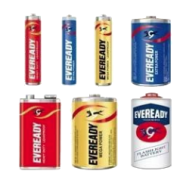
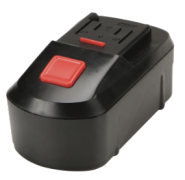
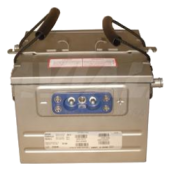
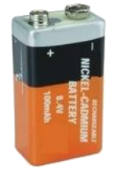
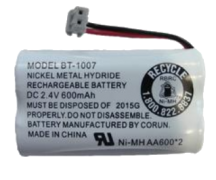
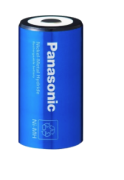
The following types of batteries may be placed in the designated battery recycling bins. The images below have been provided solely for reference, so keep in mind the battery you have may vary in appearance. For battery types not listed below, please contact Risk Management & Safety at 334-740-1267.
Regardless of battery type, batteries should NOT come in contact with any liquids. Should a fire occur call 911 and ONLY use a fire extinguisher to handle the emergency.
PLEASE NOTE: Due to costs associated with recycling, only batteries used in the course of university operations and those produced by resident students should be placed into the bins. If you would like to recycle personal batteries and live in the City of Auburn, you may do so at the RecycleAuburn center.

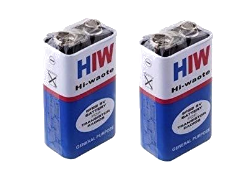
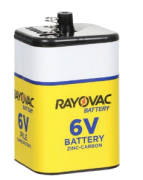
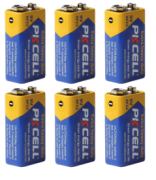
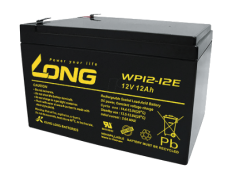
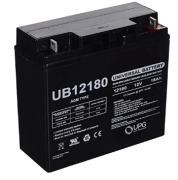
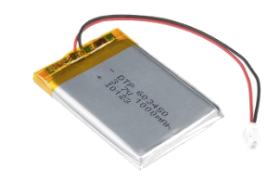
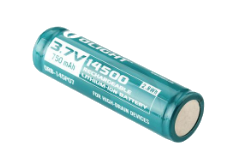
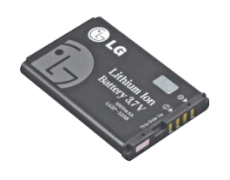
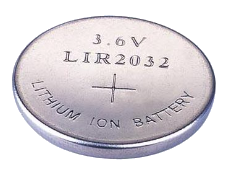
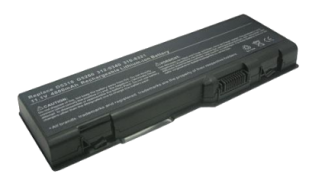
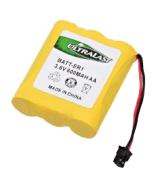
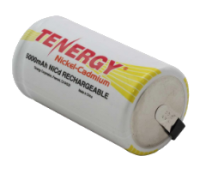
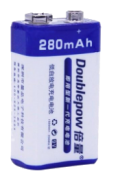
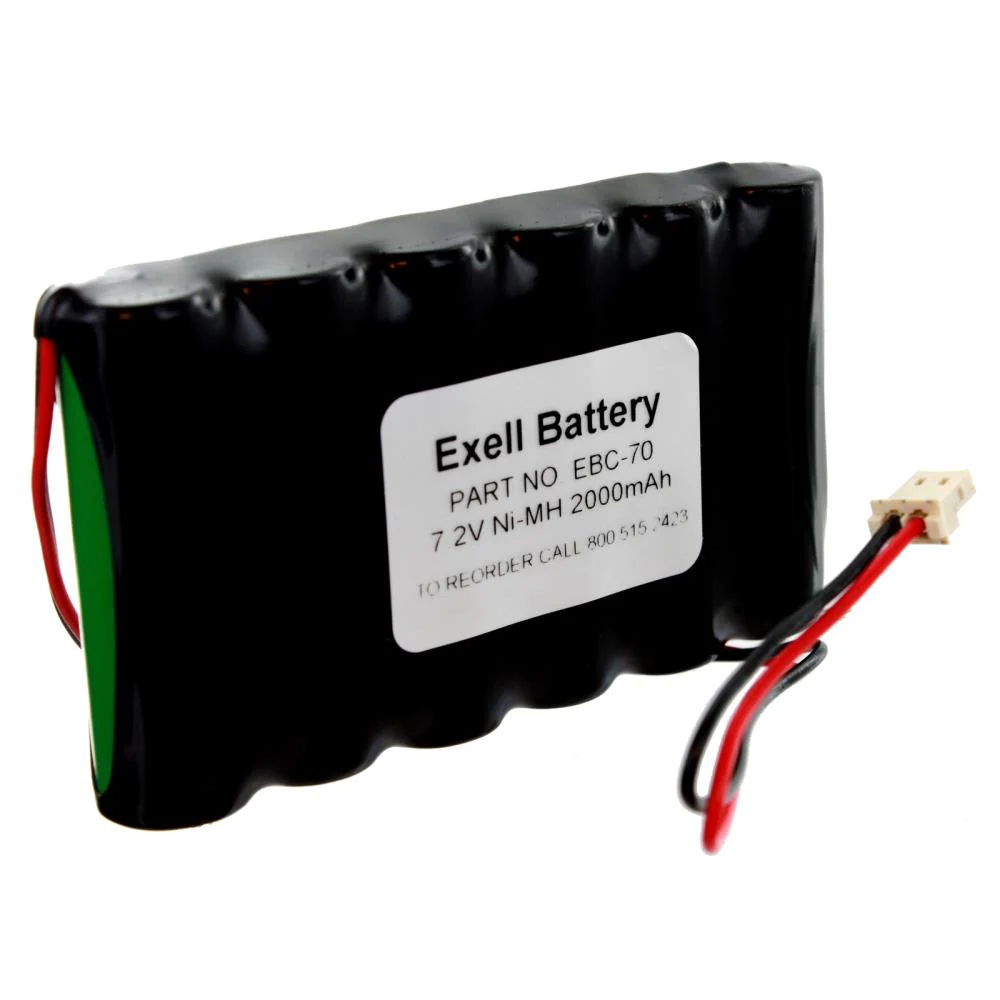
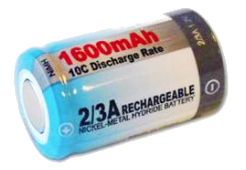
| Building | Room/Area |
|---|---|
| 3D Arts Building | 120J |
| ALFA Agricultural Building | Room 124 |
| ALFA Agricultural Building | Room 152 |
| ALFA Agricultural Building | Room 164 |
| AU Administrative Complex | Lobby |
| AU Hotel & Dixon Conference Center | Operations Office |
| Bailey Small Animal Teaching Hospital | V0007 - Hallway by Stairs |
| Bailey Small Animal Teaching Hospital | Room 1401J |
| Bailey Small Animal Teaching Hospital | Room 1331 - Breakroom |
| Bailey Small Animal Teaching Hospital | Room 1510 - ICU Unit |
| Bailey Small Animal Teaching Hospital | Room 2141 - Copy Room |
| Beard-Eaves Coliseum | Room 1120 - Score Office |
| Beard-Eaves Coliseum | Room 1020 |
| Beard-Eaves Coliseum | Room 2050 |
| Biggin Hall | Room 108 |
| Biggin-Woltosz House | Room 112A |
| Broun Hall | Near Loading Dock |
| Brown-Kopel | Room 1167 |
| CASIC Building | Room 126 |
| CASIC Building | Room 285 |
| Cater Hall | Room 111 |
| Chemistry Building | Room 179 |
| College of Education Building | 1221 Z - Copy Room |
| College of Forestry, Wildlife and Environment Building | Recycle Area near Room 2349 |
| College of Veterinary Medicine | OIT Office |
| Corley Building | Room 217 |
| Crop Improvement Association Building | Need to Ask |
| Davis Hall | Room 212 |
| Dudley Hall | Room 221 |
| Duncan Hall | Room 234 |
| Equine Research Lab Building | Main Room - 121 |
| EW Shell Fisheries Center | Break Room |
| Extension Hall | Entryway hall |
| Facilities Management Building 1 | Room 1170 |
| Facilities Management Building 5 | Room 110 |
| Facilities Management Building 6 | Room 101 - Stockroom |
| Facilities Management Building 7 | Room 125 |
| Foy Hall | 2nd Floor Welcome Desk |
| Funchess Hall | Room 101 |
| Funchess Hall | Room 201 |
| Funchess Hall | 330 Warner Lab |
| Gorrie Center | Room 118K |
| Greene Hall | Room 121 - Middle Hallway Next to Recycling |
| Greene Hall | Room 180 - By Copying Machine |
| Greene Hall | Room 230 - Near Recycle Bin in Hallway |
| Greene Hall | Room 402 |
| Greene Hall Annex | Room 102 |
| Greene Hall Annex | Corridor Level 1 - Near Men's Bathroom |
| Haley Center | Mailroom (Basement) |
| Haley Center | Room 3084 |
| Haley Center | Room 7080 (Poli Sci Dept) |
| Haley Center | Room 6075 |
| Haley Center | Speech and Hearing Clinic |
| Halliday-Cary-Pick House | Room 101 |
| Harbert Center | Room 238 |
| Hargis Hall | Room 201D |
| Hoerlein Hall | Room 304A - In Stairway |
| Hoerlein Hall | Room 579 - Outside |
| Horton Hardgrave | Room 1017 |
| Horton Hardgrave | Room 3047 |
| Ireland Center Laboratory | Room 101 |
| Jay & Susie Gogue Performing Arts Center | Room 1260 |
| Jule Collins Smith Museum of Fine Art | Room 015A |
| Langdon Annex | Downstairs Hall |
| Langdon Hall | Registrar's Office Breakroom |
| Leach Science Center | Room 0173A |
| Leach Science Center | Room 226 - Outside |
| Lowder Hall | Room 016 |
| Lowder Hall | Room 017 |
| Lowder Hall | Room 331 |
| National Poultry Technology Center | Need to Ask |
| Medical Clinic | Need to Ask |
| Mell Classroom Building | Information Desk |
| Melton Student Center | Student Media Room 1105M |
| Melton Student Center | Staging Area Beside Loading Dock |
| Miller Center: Admin & Education Building | Room 125 |
| Miller Center: National Poultry Technology Center | Need to Ask |
| Nichols Center | Navy Offices |
| OD Smith Hall | Room 301 |
| OIT Building | Room 126 |
| OIT Building | Room 146 |
| OIT Building | Room 251 |
| OIT Building | Room 351 |
| Paterson Storage & Refrigeration Building | Room 101B |
| Pebble Hill Annex | Room 105 |
| Pharmaceutical Research Building | Room 105 |
| Plant Science Research Center | Room 102 |
| Poultry Science | Room 101 A |
| Poultry Science | Room 201 |
| President's House - AU Events Center | Gift Wrap Room |
| Ramsay | Room 303 |
| Rane | Culinary Room 114 |
| Risk Management and Safety Building | Room 171 |
| RBD Library | 1022 Mailroom |
| RBD Library | First Floor Circulation Desk |
| RBD Library | Room 2339 |
| Recreation & Wellness Center | Auburn Outdoors |
| Recreation & Wellness Center | Room 0315 |
| Ross Hall | Room 207 |
| Rouse Life Sciences | Room 101 |
| Samford Hall | Room 023 |
| Sciences Center Laboratory Building | Room 508 |
| Scott-Ritchey Research Center | Room 119 |
| Scott-Ritchey Research Center | Room 205 |
| Shelby Center | Room 1301L |
| Shelby Center | Room 3301 |
| Stadium Parking Deck | Access Control Offices |
| Sugg Laboratory | Room 128 |
| Sunny Slope | Room 117 |
| Swingle Hall | First Floor SW Stairwell |
| Tichenor Hall | Room 302 |
| Upchurch Hall | Room 219 |
| Vaughn Large Animal Hospital | Room 1009 - Breakroom |
| Vaughn Large Animal Hospital | Room 1256 - Central Supply Room |
| Vaughn Large Animal Hospital | Room 2015 - Copy Room |
| Veterinary Education Center | Room 106 - Near Recycle Bins |
| Veterinary Education Center | Room 227 - In Hallway |
| Walker Building | 3306 - Drug Discovery and Development |
| Wallace Hall | Room 208 |
For questions, comments, and service needs related to battery recycling, please contact:
Office of Sustainability | sustain@auburn.edu | 334-844-7777
Risk Management & Safety | sms0081@auburn.edu | 334-740-1267
For questions, comments, and service related to all other recycling, please contact:
Waste Reduction & Recycling Department | aureuse@auburn.edu | 334-844-9461
For personal battery recycling within the City of Auburn, please contact:
City of Auburn Environmental Services | webenvirsvc@auburnalabama.org | 334-501-3080
For emergency situations, dial 911.
The Auburn University Battery Recycling Program is available to faculty, staff, and students living in on-campus residence halls. The program is intended to support university operations and campus residential communities.
The standard battery bins measure 10 in x 10 in.

During the fall and spring semesters, battery recycling bins are typically collected monthly. Over the summer semester, we collect bins twice. Following collection, batteries are sorted, weighed, and prepared for shipment to certified recycling partners.
If you encounter a full bin or notice that a location needs service, please submit a service request by completing the Bin Pick-Up Form.
Do not place leaking or damaged batteries in the recycling bin. Avoid handling the battery directly if possible. Contact Risk Management & Safety (RMS) for proper guidance. If there is an immediate safety concern (such as smoke or fire), call 911.
While we accept most battery types, some may require special handling and are not accepted in standard collection bins. These include large automotive batteries, industrial batteries, or batteries that are leaking or damaged. Please contact Risk Management and Safety for guidance on the proper disposal of specialty or large-scale battery waste.
Residents living off campus are encouraged to use local community recycling resources. The City of Auburn Environmental Services Department provides battery recycling options at designated collection sites. Please visit the City of Auburn’s website for current drop-off locations and guidelines.
No. There is no cost for eligible campus participants to recycle batteries through the Auburn University Battery Recycling Program. The service is provided by Risk Management & Safety and the Office of Sustainability, with both units providing staffing and financial support.
Follow Us


Office Location
200 Langdon Annex
Auburn, Alabama 36849
